

Over the last five years, the quick-service restaurant (QSR) industry has seen drastic changes. Drive-thru demand has soared, which has increased wait times from just under four minutes in 2018 to over 6 minutes in 2021. Traditional QSR restaurant layouts aren’t equipped to handle this extra demand, which has resulted in increased wait times and order inaccuracy that is collectively costing billions of dollars in revenue.
Bigger QSRs are starting to roll out changes to optimize their restaurants to meet customer demand. Multiple drive-thru lanes, curbside pickup, digital order make-lines, digital pickup shelves and self-serve kiosks are all being implemented to increase efficiency and improve the restaurant’s ability to earn revenue. While these changes are critical to the future success of QSRs, these remodel programs can be extremely complicated. It is important to utilize a strong program management company that can detail the program from start to finish and work with all the appropriate parties to ensure minimal downtime during renovations.
Sevan Multi-Site Solutions works with some of the largest QSRs in the world including McDonald’s, Starbucks and Chipotle – to help them execute their restaurant remodel programs. Below are five important elements of QSR remodels that Sevan helps manage for our clients.
Managing Stakeholders:
 As with any remodel program, there are multiple stakeholders that are crucial to the success of the program. A QSR remodel typically has a quick turnaround time. Communication between stakeholders and vendors is critically important to keep remodel programs on track and mitigate any delays to the restaurant’s daily operations. To complete a remodel, program managers (PMs) need to manage the communication between client contacts, suppliers, general contractors, sub-contractors, government agencies and various other parties that need to be kept in the loop during the program. PMs also need to consider up-front how to communicate with each stakeholder, and they need to plan how stakeholders should communicate and when they communicate with each other throughout the duration of the program.
When materials are sourced for a program and a general contractor has been selected, it is important for a PM team to keep all stakeholders, especially the GC, aware of when materials or outside suppliers will arrive on-site. If there is a breakdown in communication between parties, the program may get delayed, which could cost the client time and money if the program can’t get back on track.
Communication is always key, especially when it comes to programs that include multiple sites and stakeholders. It is ultimately up to the PM to make sure everyone is aligned with the program schedule and to make sure the client is kept in the loop every step of the way. Even if there is a setback, a great communication plan between stakeholders can help mitigate any delays and keep a program on track.
Program Staging:
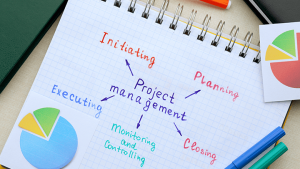 Depending on the extent of the remodel scope, staging the program correctly can help minimize the downtime of the restaurant and can even help keep the restaurant open during remodeling. A great PM will work with the client to understand their key operating hours and create a plan to minimize disruption to daily operations. The duration of operational downtime will depend on the type of renovations that are taking place. Kitchen renovations and utility layout changes are generally what cause a restaurant to pause operations for a short amount of time. If kitchen or utility renovations are not part of the program scope, QSRs can utilize their drive-thru lanes for most of the program duration to keep the restaurant open while the dining area is being renovated.
A program schedule will depend primarily on the scope and can also be affected based on work required by outside parties, such as utility providers. During some remodel programs, site layouts might shift, which can mean utility line layouts also must shift. Upgrading utilities such as water, gas and electricity requires trained specialists to come in to execute the job. Work in those areas should be evaluated closely, in coordination with other providers’ scopes, in order to minimize the duration of the renovations in that area. It is common for utilities to be in close proximity to drive-thru lanes and/or overall site traffic and by keeping these tasks coordinated, the overall impact on drive-thru operations can be planned for one event versus multiple disruptions throughout the course of the program. As mentioned previously, close coordination with outside suppliers is important even if kitchen renovations are not required. As an example, point-of-sale providers/vendors are typically engaged towards the end of the program and can have a significant impact on the ability of a restaurant to reopen as initially scheduled.
Working with Franchisees
 For sites that are owned and operated by a franchisee, it is important to consider the impact of renovations on the franchisee. Even though the franchisor is the one initiating the renovations, the franchisee will have ultimate ownership of the finished product. If there are any obstacles or delays to completing the program, they need to be kept in the loop so they can come up with a plan with the PM and contractors to address the issues and keep the program moving. Franchisees may also want different things done to their sites during the renovation program. While there are basic brand standards they may need to adhere to, individual franchisees might have areas of the restaurant that they have full control over and might want different things in those areas. It is important for PMs to understand the level of franchisee involvement and influence on a program and ensure any changes adhere to the brand standards set in place by the franchisor.
Construction costs are also something that must be considered when working with individual franchisees on their restaurant improvement programs. In some cases, the cost of the renovation work is split between the franchisor and the franchisee. Before a program starts, there is typically an initial estimate of program costs that provides an anticipated cost that the franchisee will be responsible for. A franchisee may secure financing based upon this initial estimate. Keeping the franchisor and franchisee informed during construction when change orders are encountered is important so all parties understand the final construction costs and why they may have changed since the initial estimates. If the program costs significantly increase over the course of the program, the franchisee may need to secure additional financing or work with the franchisor on additional options to finance their program.
Planning, Zoning and Permitting
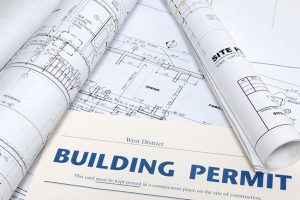 There are many zoning and permitting requirements that PMs have to consider when planning a QSR remodel program. Zoning and permitting regulations for restaurants don’t just cover the building but impact areas outside the restaurant as well. When remodeling sites across the country, there are drastically different processes to follow to get plans approved for construction, which can complicate the process of creating uniform plans across sites. Depending on the area where the remodel is taking place, permitting can take anywhere from a few weeks to months to get approval.
It is important for PMs to understand the unique requirements of each program and the appropriate permits and approvals they must obtain prior to and at the completion of the program. If the PM overlooks requirements for permitting, there is the risk of needing to have the site plans revised and resubmitted for approval. This could put the program behind schedule and cost the client valuable time to complete the site remodel.
Examples of some permits and special inspections encountered on QSR programs are listed below, some of which are specific to certain local jurisdictions.
Foundational/Footing Application:
- Concrete cast in place
- Masonry
- Post-installed anchors
- Footing and foundation
- Final
Structural Application:
- Masonry
- Post installed anchors
- Structural cold-formed steel
- Structural stability
- Structural steel
- Structural wood
- Final
Building application:
- Firestop
- Energy code compliance
- Final
Public Assembly Application:
- Public Assembly emergency lighting
- Electrical letter
- Flame spread letter
- CO letter
- DOB inspection
Depending on the program, PMs may also need to procure Construction Fence Permits, DOT permits, Transit Authority approval, site safety plans and a finalized site survey, all of which require sign-offs to get approval.
Brand and Design Standards
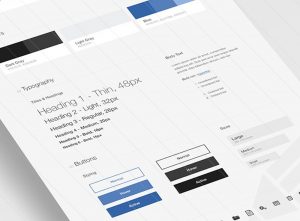 When working with QSRs, most will have strict brand standards that every restaurant must follow. Corporate development teams invest significant resources to research the most efficient way to plan seating, kitchens, drive-thru configurations and overall site layouts. Some brands even develop specifications on the length, radius and width of drive-thru lanes, distances between order and pick-up points, and spacing between tables. The data collected helps each corporation update its brand standards, which are used as blueprints for designing each restaurant. If the sites aren’t built to the specifications laid out in the brand standards, the location could lose significant operational efficiency.
When kicking off a remodel program, it is important for the design team to be aligned with the relevant client brand standards. A client’s corporate brand review committee may require approval of all floor plans and site layouts. In preparation for this, clients may provide detailed brand standards documents to the architects and engineers so they can design floor plans and site spaces that follow the exact dimensions provided by the client. Staying in contact throughout the design process is crucial. The more each party is in contact and aligned on how to address changes, the more efficient the approval process will become.
As a professional program and construction management company, it is crucial for Sevan to incorporate all of these considerations into our QSR clients’ remodel programs. Creating impactful plans and communicating with all parties helps us perform thousands of remodel programs across the U.S. for some of the biggest QSR brands in the world.
Regardless of the size and scale of your remodel program, Sevan can help you plan and execute it to perfection. As an extension of your team, Sevan will strategically lead your unique programs through every step of your program’s lifecycle. We will put your capital to work via dramatically enhanced efficiencies and accelerated schedules for quick and high-quality program rollouts.
Give your next program The Strength of Sevan!
To learn more about how Sevan can help with your QSR remodel program, click here.